

Sibiu, a city steeped in history and architectural grandeur, offers a compelling journey through centuries of Transylvanian life. Its well-preserved Old Town, a UNESCO World Heritage candidate, stands as a testament to its vibrant past, from its origins as a Dacian settlement to its flourishing as a medieval Saxon stronghold. Exploring Sibiu’s historical objectives is not merely an academic exercise; it is an immersion into a rich tapestry of culture, commerce, and strategic importance that has shaped this corner of Romania. This article delves into five key historical objectives that encapsulate the essence of Sibiu’s enduring legacy.
Originile Turnului Sfatului: De la Fortificație la Simbol
The Council Tower, or Turnul Sfatului, is arguably the most iconic landmark of Sibiu. Its commanding presence at the heart of the Lower Town serves as a constant reminder of the city’s administrative and defensive prowess. The origins of the tower are intertwined with the early development of Sibiu. Initially, it appears to have been part of the defensive fortifications of the city, likely constructed in stages. The earliest mentions of a tower in this location date back to the 13th century, coinciding with the establishment of Sibiu as a royal free city. Its purpose was multifaceted: to provide a vantage point for surveillance of the surrounding areas, to serve as a bell tower to alert the populace of danger, and eventually, to house documents and act as a central administrative hub. The tower’s strategic placement, bridging the Upper and Lower Towns, further emphasizes its importance in the city’s layout and security. The gradual consolidation of its structure over centuries reflects the evolving needs of the city and the architectural styles of different periods. It’s important to note that the tower as we see it today is the result of several modifications and reconstructions, particularly after the significant fire of 1671 and subsequent renovations. The initial structure, likely less elaborate, would have been adapted and reinforced to meet new security requirements and to accommodate the growing administrative functions it served.
Arhitectura și Evoluția Turnului
The architecture of Turnul Sfatului showcases a blend of Romanesque and Gothic influences, characteristic of the period of its construction and subsequent modifications. The lower sections of the tower exhibit robust, thick walls, indicative of its defensive origins. As one ascends, the architectural elements become more refined, reflecting stages of development and adaptation. The pointed arch windows, a hallmark of Gothic architecture, are evident in some of its upper levels. The tower’s imposing height, coupled with its crenellated parapet, contributed to its role as a formidable defensive structure. The internal staircase, winding its way upwards, leads to various chambers that once served distinct purposes. These chambers, though now largely empty or repurposed for exhibition space, whisper tales of the city council meetings, deliberations, and the storage of important city records that once took place within its walls. The integration of the tower into the city’s fortifications meant it was not an isolated structure but an integral part of a larger defensive network, providing crucial elevated positions for archers and sentinels. The roof, a multi-faceted spire that has been rebuilt and repaired numerous times, adds to its distinctive silhouette, visible from afar and symbolizing the city’s enduring spirit. The evolution of its design over centuries mirrors the broader architectural trends and the practical needs of urban defense and administration in Central Europe.
Repere Istorice și Semnificație Culturală
Turnul Sfatului has been the silent witness to many pivotal moments in Sibiu’s history. It has stood firm through sieges, fires, and the ebb and flow of political power. For centuries, it served as the primary administrative center for the city council, which held significant autonomy and influence during the medieval period. The bells that rang from its heights not only signaled the time of day but also sounded alarms, announced important events, and summoned the citizens to gather. Beyond its practical functions, the tower has become a potent symbol of Sibiu’s identity and heritage. Its image is ubiquitous in postcards, tourism materials, and local art, representing the city’s historical heart. Climbing the tower offers panoramic views of the labyrinthine streets of the Old Town, the picturesque squares, and the surrounding Transylvanian landscape. This elevated perspective provides a tangible sense of the city’s historical layout and its strategic position within the region. The tower’s enduring presence also speaks to the resilience of Sibiu, having successfully navigated periods of significant conflict and change while preserving its historical core. It remains a focal point for cultural events and a beloved landmark for both locals and visitors, embodying the spirit of the city.
Piața Mare: Inimapulsul Vieții Sociale și Comerciale
Dezvoltarea Pieței Mari: De la Târg la Centrul Civic
Piața Mare, or the Grand Square, has been the pulsating heart of Sibiu for centuries. Its vast expanse, surrounded by imposing historical buildings, has witnessed the transformation from a bustling market square to the city’s primary civic, administrative, and social gathering space. The origins of Piața Mare are deeply rooted in the early days of Sibiu. As a vital trade center, the square served as the main venue for markets and fairs, attracting merchants from across Transylvania and beyond. Its strategic location within the fortified city walls facilitated commerce and exchange. Over time, as Sibiu grew in wealth and importance, the square evolved from a purely utilitarian space to a more formal and grand plaza. The laying of cobblestones, the construction of ornate buildings around its perimeter, and the establishment of key institutions like the town hall and administrative offices all contributed to its transformation into the civic center we recognize today. The square’s development was a gradual process, shaped by periods of prosperity, economic booms, and the evolving needs of a growing urban population. It served as the principal stage for public announcements, celebrations, and, at times, more somber events, solidifying its role as the central nexus of Sibiu’s public life. The presence of significant governmental and religious buildings around its perimeter further underscored its elevated status within the city’s administrative and spiritual framework.
Arhitectura Eclectică: O Simfonie de Stiluri
The architecture surrounding Piața Mare is a fascinating testament to Sibiu’s layered history and its exposure to various European architectural trends. The square is a visual symphony of styles, reflecting the different eras and influences that have shaped the city. Dominating one side of the square is the imposing Brukenthal Palace, a magnificent Baroque edifice that once housed the Austrian governor and now serves as the National Museum Brukenthal. Its grandeur and elaborate ornamentation stand in contrast to the more austere Gothic and Renaissance influences found in other structures. The Catholic Church, with its striking spire, adds a significant religious dimension to the square’s architectural landscape. Other buildings exhibit Renaissance façades with intricate details, while elements of Baroque and later Neo-Classical styles can also be observed. This architectural eclecticism is not a sign of disorganization but rather a reflection of Sibiu’s embrace of diverse artistic expressions over centuries of development. The harmonious coexistence of these varied styles creates a unique and visually rich urban environment, inviting exploration and appreciation of each individual structure while also contributing to the overall charm and historical depth of the square. The careful preservation and restoration efforts undertaken in recent decades have ensured that this architectural heritage remains intact and accessible for future generations to admire.
Funcții Istorice și Rolul Civic
Piața Mare has fulfilled a multitude of functions throughout its history. For centuries, it was the primary marketplace where local produce, artisanal goods, and imported wares were traded. This commercial activity fueled Sibiu’s economic growth and cemented its reputation as a vital trading hub. Beyond commerce, the square served as the focal point for civic life. Official pronouncements, royal decrees, and important public announcements were made here. It was also the venue for festive celebrations, processions, and public gatherings, fostering a sense of community and shared identity among the citizens. The proximity of administrative buildings like the town hall made it the natural center for governance and public administration. The square became the stage for the daily rhythm of city life, from the morning bustle of merchants to the evening strolls of residents. Its open expanse provided a canvas for the unfolding narrative of Sibiu’s social and political history, serving as a meeting point for individuals from all walks of life. The ongoing use of Piața Mare for cultural events, concerts, and its role as a central hub for tourist activity continue to underscore its enduring importance as the city’s main public forum.
Biserica Evanghelică Sf. Maria: Mărturie a Spiritului Lutheran
Fondarea și Importanța Ecleziastică
The Evangelical Cathedral of Saint Mary, often referred to simply as the Evangelical Church, stands as a monumental testament to Sibiu’s Saxon heritage and the profound influence of the Lutheran Reformation. Its origins trace back to the 14th century, a period of significant growth and religious change across Europe. The church was founded by the Saxon community in Sibiu, who sought to establish a grand edifice that would reflect their growing prosperity and their commitment to the reformed faith. Its strategic location in the Upper Town, overlooking the city, further emphasized its spiritual and social significance. For centuries, the Evangelical Church served as the principal place of worship for the Saxon population and played a highly influential role in the city’s religious and cultural life. It was not merely a place for prayer but also a center for education, social gatherings, and the dissemination of theological thought. The construction and subsequent expansions of the church were often financed by the wealthy Saxon merchants, who saw it as a means of expressing their devotion and solidifying their identity within the city. The church’s imposing structure and its role as a spiritual beacon for the community made it a central pillar of Sibiu’s historical narrative. Its presence underscores the enduring religious diversity that has characterized the region.
Arhitectura Gotică și Detaliile Sale
The Evangelical Church is a prime example of Gothic architecture, characterized by its soaring spires, ribbed vaults, and large stained-glass windows. The construction of the church was a long and complex undertaking, spanning several decades and involving numerous artisans and architects. The initial structure would have been significantly different from the church seen today, as it underwent numerous modifications, repairs, and expansions over the centuries. The main nave is particularly impressive, its height designed to draw the eye heavenward and inspire a sense of awe. The intricate stone carvings that adorn its exterior and interior are remarkable, depicting religious scenes, biblical figures, and symbolic motifs. The elaborate altarpiece and the series of chapels branching off the nave contribute to the church’s rich visual narrative. The towering spire, one of the tallest in Romania, is a prominent feature of Sibiu’s skyline and has been rebuilt and restored multiple times, most notably after the devastating fire in 1671. The stained-glass windows, despite having been replaced over time, still cast a colorful and ethereal light into the sanctuary, illuminating the soaring arches and the detailed frescoes. The church’s architectural style is a testament to the skill and dedication of its medieval builders, who sought to create a sacred space that was both functionally sound and spiritually inspiring.
Personalități și Evenimente Notabile
The Evangelical Church has been inextricably linked with many significant figures and events in Sibiu’s history. It was here that prominent figures of the Saxon community, including mayors, councillors, and wealthy burghers, were baptized, married, and buried. The church’s cemetery, located within its precincts, holds the remains of generations of Sibiu’s inhabitants, many of whom played crucial roles in shaping the city’s destiny. The church also served as an important center for the spread of Lutheranism following the Reformation. Sermons delivered from its pulpit often carried significant theological and political weight, influencing the religious and social landscape of Sibiu and the surrounding region. During periods of conflict and occupation, the church often played a role in mediating between different factions or providing sanctuary. Its bells have tolled for moments of great joy and profound sorrow, marking important junctures in the city’s life. The presence of the church, with its enduring spiritual and historical resonance, continues to be a vital part of Sibiu’s cultural identity, drawing visitors who seek to connect with its past and appreciate its architectural magnificence.
Pasajul Sterne: Conexiunea Istorică a Orașului Vechi
Rolul Strategic al Pasajului Sterne
The Sterne Passage, or Pasajul Sterne, may not immediately arrest the attention of a casual observer in the same way as a towering cathedral or grand square. However, its historical significance lies in its crucial role as a vital artery connecting different parts of Sibiu’s fortified city, particularly the Upper and Lower Towns. Its existence speaks to the intricate planning and defensive considerations that underpinned the medieval urban structure. The passage acted as a controlled access point, allowing for the smooth movement of people and goods within the city while also serving as a defensive chokepoint. Its strategic location facilitated the movement of troops and supplies, particularly during times of siege or unrest. By creating a covered or semi-covered route, it offered protection from the elements and potential attackers. The very concept of such a passage highlights the challenges and solutions employed by medieval urban planners to ensure both connectivity and security within the city walls. It was not merely a shortcut but a carefully engineered element of the city’s defensive network, demonstrating a pragmatic approach to urban development. The maintenance of such passages was crucial for the city’s operational integrity.
Arhitectura Pragmatică și Funcționalitatea sa
The architecture of Pasajul Sterne is primarily characterized by its pragmatic design and functional purpose. Unlike the ornate façades of public buildings, passages were built for utility. Typically, they consist of robust stone walls, often incorporating elements of the surrounding fortifications. The roofing, which may have varied over centuries, would have been designed to provide shelter and protection. The passage’s dimensions and construction would have been dictated by the needs of civilian movement, the transport of goods, and, importantly, the passage of soldiers and defensive equipment. The lack of elaborate decoration is not a sign of neglect, but rather a reflection of its engineering-focused development. It was built to serve a specific purpose and its design prioritizes structural integrity and efficiency. Over time, the passage may have been integrated with or adapted to new urban developments, but its core function as a connector within the city’s fabric has remained. The materials used, typically locally sourced stone and timber, would have been readily available and suited to the construction methods of the era.
Impactul asupra Vieții Cotidiene și a Comerțului
The Pasajul Sterne played an understated yet significant role in the daily lives of Sibiu’s inhabitants. For merchants and shoppers, it provided a sheltered route between the commercial centers of the Upper and Lower Towns, facilitating the movement of goods and customers, especially during inclement weather. For residents, it offered a convenient way to traverse the city, connecting their homes to workplaces, markets, and places of worship. Its existence likely contributed to the seamless functioning of the urban economy, enabling a more efficient flow of resources and services. By linking the distinct districts of the city, the passage fostered a sense of interconnectedness and facilitated social interaction between different strata of society. Its strategic importance also meant that control over this passage could be vital during periods of political or military tension. While often overlooked in favor of more prominent landmarks, the Pasajul Sterne represents a vital piece of Sibiu’s urban engineering and its historical pragmatism, a testament to the functional considerations that shaped medieval city life.
Cetatea Sibiului: Vestigii ale Puterii și Apărării
Formarea și Expansiunea Fortificațiilor
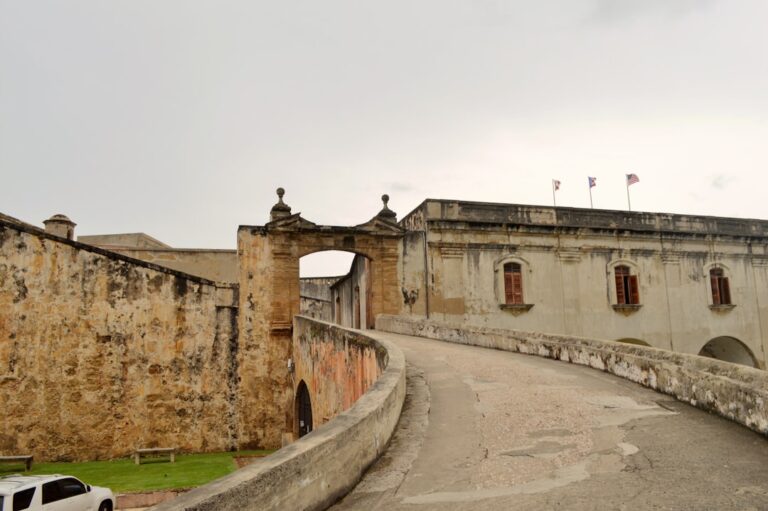
The fortifications of Sibiu, often referred to collectively as Cetatea Sibiului (Sibiu Fortress), represent a monumental endeavor in medieval urban defense. The development of these fortifications was not a single event but a protracted process that spanned centuries, reflecting Sibiu’s growing strategic importance and the evolving nature of warfare. The initial fortifications likely began as rudimentary earthworks and wooden palisades, characteristic of early medieval settlements. As Sibiu flourished as a trading center and a royal free city, the need for more robust defenses became paramount. The Saxon inhabitants, renowned for their engineering skills, embarked on the construction of formidable stone walls, towers, and bastions. These fortifications were designed to withstand the siege tactics of the era, which often involved battering rams, siege towers, and direct assaults. The expansion of the city’s defenses was a continuous process, with new sections added, existing walls reinforced, and additional defensive towers constructed as Sibiu grew in size and wealth. The strategic placement of the city on elevated ground provided an inherent defensive advantage, which was further enhanced by the meticulously planned fortifications. The sheer scale of the undertaking underscores the commitment of Sibiu’s leadership to protecting its citizens and its considerable economic assets from external threats.
Turnurile și Bastioanele: Gărzi de-a Lungul Secolelor
Sibiu’s fortifications are punctuated by a series of impressive towers and bastions, each with its own history and defensive purpose. These structures acted as integral components of the defensive network, providing elevated positions for archers and artillery, and serving as strongpoints to repel attackers. Among the most notable are the Council Tower (already discussed), the Goldsmiths’ Tower, the Carpenters’ Tower, and the Harquebusiers’ Tower, each named after the guilds that were responsible for their upkeep and defense. These towers were not merely defensive structures; they were also symbolic of the power and organization of the craft guilds that formed the backbone of Sibiu’s medieval society. Their robust construction, often featuring crenellated battlements and narrow arrow slits, speaks to their military function. The bastions, more advanced defensive structures that project from the main wall, were designed to provide flanking fire and to prevent attackers from gaining a foothold. The evolution from simple towers to more complex bastions reflects advancements in military engineering and siege warfare. The ongoing preservation and restoration of these towers and bastions are crucial for maintaining the historical integrity of Sibiu and offering insights into its defensive strategies.
Impactul Asupra Dezvoltării Urbane și a Relațiilor Regionale
The presence of extensive fortifications had a profound and lasting impact on the development of Sibiu. The city’s growth was, to a significant extent, dictated by the boundaries of its defenses. The space within the walls was carefully utilized, leading to the characteristic dense and intricate street pattern of the Old Town. The fortifications also played a crucial role in defining Sibiu’s regional standing. As a well-defended stronghold, it served as a secure administrative and economic center, attracting trade and fostering prosperity. Its strategic location and strong defenses made it a vital player in the defense of Transylvania against external incursions, whether from the Ottoman Empire or other contending powers. The fortifications acted as a symbol of Sibiu’s autonomy and its ability to protect itself, fostering a sense of independence and resilience. The effectiveness of Sibiu’s defenses often influenced its diplomatic and military relationships with neighboring principalities and empires, solidifying its position as a significant regional power. The tangible remains of these fortifications continue to tell the story of Sibiu’s past as a fortified city, a place where security and prosperity were inextricably linked.
FAQs
Care sunt cele mai importante obiective istorice din Sibiu?
Cele mai importante obiective istorice din Sibiu includ Turnul Sfatului, Podul Minciunilor, Cetatea Sibiu, Biserica Evanghelică și Piața Mare.
Care este istoria Turnului Sfatului din Sibiu?
Turnul Sfatului din Sibiu a fost construit în secolul al XIII-lea și a servit ca turn de apărare și punct de observație. A fost reconstruit în secolul al XVI-lea și a fost folosit ulterior ca închisoare și depozit de arme.
Când a fost construit Podul Minciunilor din Sibiu?
Podul Minciunilor din Sibiu a fost construit în secolul al XIX-lea, între anii 1857 și 1859. Acesta este unul dintre cele mai vechi poduri din fontă din Europa și este cunoscut pentru legenda sa legată de minciună.
Care este importanța istorică a Cetății Sibiu?
Cetatea Sibiu a fost construită în secolul al XII-lea și a avut un rol important în apărarea orașului împotriva invaziilor. A fost extinsă și fortificată de-a lungul secolelor și a jucat un rol crucial în istoria orașului.
Ce evenimente istorice au avut loc în Piața Mare din Sibiu?
Piața Mare din Sibiu a fost martora unor evenimente istorice importante, precum adunările publice, târgurile medievale și procesiunile religioase. De-a lungul timpului, piața a fost centrul vieții sociale și politice din Sibiu.