

Romania is a country of remarkable biodiversity and varied landscapes, offering fertile ground for the development of ecotourism. This form of tourism prioritizes preserving the natural environment and local culture, aiming for sustainable development and benefiting local communities. Exploring Romania’s ecotourism potential is an opportunity to discover its wild heart, untouched by mass tourism, and to immerse oneself in authentic experiences that leave a minimal ecological footprint.
Choosing the right destination is the first crucial step in planning an ecotourism adventure in Romania. The country boasts a mosaic of natural environments, each offering a unique tapestry of experiences for the eco-conscious traveler. From the towering peaks of the Carpathians to the intricate network of waterways in the Danube Delta, Romania presents a diverse palette for exploration.
Munții Carpați: Un Paradis pentru Drumeții și Observarea Faunei Sălbatice
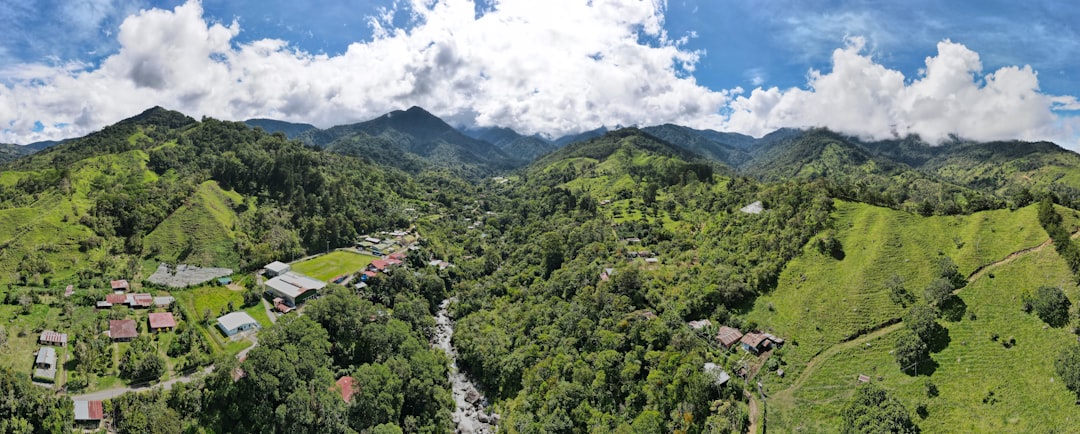
The Carpathian Mountains, often referred to as the „green lungs” of Europe, are the undeniable backbone of Romania’s natural heritage. Their vast expanse is home to a significant portion of Europe’s remaining pristine forests and harbors an impressive array of wildlife. For ecotourists, the Carpathians offer a sanctuary for introspection and adventure, where the rhythm of nature dictates the pace of life.
Parcuri Naționale și Naturale Emblematic
Romania has designated numerous protected areas to safeguard its natural treasures. These parks represent the vanguard of conservation efforts and are prime locations for ecotourism.
Parcul Național Retezat
A jewel in the crown of the Carpathians, Retezat is characterized by its glacial lakes, rugged peaks, and rich biodiversity, including chamois and bears. Its well-marked trails cater to various fitness levels, making it accessible for a wide range of visitors. The absence of major urban centers nearby contributes to its pristine atmosphere, a rare commodity in today’s world.
Parcul Național Piatra Craiului
This mountain range, with its distinctive limestone ridge, offers breathtaking vistas and a unique geological formation. Piatra Craiului is a haven for hikers and climbers, but also for those who appreciate the delicate balance of alpine ecosystems, where rare flowers bloom amongst the rocks. Its lower altitudes also support diverse flora and fauna, a testament to its varied microclimates.
Parcul Natural Vrancea
Known for its ancient forests and the seismic activity that shaped its landscape, Vrancea offers a different kind of mountain experience. It is a place where geological forces meet ecological resilience, providing opportunities to study both. The area is also rich in local traditions and folklore, adding a cultural dimension to the natural exploration.
Activități Ecoturistice în Munți
The activities available in the Carpathian ecotourism landscape are designed to connect visitors with nature in a respectful and immersive manner. These are not just excursions; they are opportunities for learning and understanding.
Drumeții și Trekking pe Poteci Semnalizate
The network of marked trails in the Carpathians serves as a lifeline for ecotourists. These paths are meticulously maintained to minimize erosion and disturbance to wildlife. Hiking here is not merely physical exertion; it is a journey through ecosystems, a chance to observe the subtle changes in vegetation and listen to the symphony of forest sounds.
Observarea Păsărilor și a Faunei Sălbatice
Romania’s mountains are a vital habitat for numerous bird species and large mammals. Guided tours focused on wildlife observation allow visitors to witness these creatures in their natural environment without disrupting their routines. This requires patience and keen observation, rewarding the dedicated ecotourist with unforgettable encounters with bears, wolves, lynx, and a vibrant array of avian life.
Ciclism Montan Responsabil
Cyclists can explore designated routes that traverse less sensitive areas, ensuring that their passage does not damage the delicate balance of the mountain ecosystem. These routes are chosen to offer scenic beauty while minimizing environmental impact.
Delta Dunării: Un Labirint de Ape și Biodiversitate Unică
The Danube Delta, a UNESCO World Heritage site, is an extraordinary natural laboratory and a birdwatcher’s paradise. This vast wetland, where the Danube River meets the Black Sea, is a dynamic ecosystem shaped by water, wind, and life. Exploring the Delta is like navigating through a living map, where every channel and lagoon tells a story of adaptation and survival.
Rezervația Biosferei Delta Dunării: O Comoară Naturală
The sheer scale of the Danube Delta’s biodiversity is staggering. It is a critical stopover point for millions of migratory birds, making it a globally significant wetland.
Vegetația Acvatică și Terestră Specifică
The Delta’s flora is as diverse as its fauna. Reed beds stretch for miles, creating a unique landscape. Water lilies, water irises, and various submerged plants create a vibrant aquatic environment that supports a complex food web.
Coloniile de Păsări și Specii Protejate
The Delta is home to an astonishing number of bird species, many of which are rare or endangered. This is where the pelican, the cormorant, and countless other species congregate, their calls echoing across the waterways.
Turism Sustenabil în Delta Dunării
Sustainable tourism practices are paramount to preserving this fragile ecosystem. The focus is on minimizing impact and maximizing local benefit.
Plimbări cu Barca și Caiacul pe Canale
Exploring the Delta from the water by boat or kayak is the most intimate way to connect with its environment. These silent vessels allow for close observation of wildlife and a deeper appreciation of the intricate waterways. Guided tours often highlight the ecological significance of each area.
Observarea Păsărilor de la Avangarduri Special Amenajate
Strategically placed birdwatching hides allow visitors to observe avian life without disturbing nesting sites or feeding grounds. These structures are designed to blend into the landscape, embodying the principles of minimal intervention.
Cazare în Unități Ecologice și Pensiuni Tradiționale
Opting for accommodations that adhere to eco-friendly practices is a key aspect of sustainable tourism in the Delta. Many guesthouses are run by local families, offering visitors an authentic cultural experience while directly supporting the local economy.
Românica Rurală: Descoperirea Tradițiilor și a Comunităților Locale
Beyond the dramatic mountain ranges and the sprawling delta, Romania’s rural heart beats with a rhythm of ancient traditions and close-knit communities. Ecotourism in these areas offers a window into a way of life that has remained largely unchanged for generations, a living museum of human interaction with the land.
Satele cu Patromoniu și Etnografie
Many Romanian villages are living testament to centuries of cultural heritage, their architecture, customs, and way of life preserved like precious artifacts.
Comunități Muzeu și Centre Etnografice
Villages designated as heritage sites often feature traditional houses, workshops, and museums that showcase local crafts, tools, and historical artifacts. These are not static exhibits but vibrant centers where traditions are still practiced and passed down.
Meșteșuguri Locale: Ceramică, Țesături, Prelucrarea Lemnului
The rural landscape is dotted with artisans who continue to practice age-old crafts. Engaging with these artisans, perhaps even participating in a workshop, offers a profound connection to the local culture and a tangible souvenir of the journey. Learning about the intricate process of weaving or the meticulous shaping of clay provides a deeper understanding of the human touch in creation.
Experiențe Culturale Autentice
Ecotourism in rural Romania is not just about observing; it is about participating and learning.
Participarea la Sărbători și Festivaluri Locale
Experiencing local festivals, whether religious celebrations or harvest festivals, offers an unparalleled immersion into the cultural fabric of a community. These events are the vibrant pulse of rural life, filled with music, dance, and shared traditions.
Gastronomia Locală și Produse Tradiționale
The culinary landscape of rural Romania is a reflection of its agricultural heritage. Meals prepared with locally sourced ingredients, often using time-honored recipes, are a highlight of any ecotour. Discovering the flavors of homemade jams, freshly baked bread, and regional specialties provides a delicious insight into the local diet and its connection to the land.
Tururi Ghidate cu Localnici: Descoperirea Istoriei și a Legănelor
Engaging local guides provides access to intimate knowledge of the area, its history, folklore, and ecological significance. These individuals are the custodians of local memory and can offer perspectives that are unavailable in guidebooks.
Ecoturismul de Aventură: Provocări Responsabile în Natură
For those who seek a more active and challenging engagement with the natural world, Romania offers a range of ecotourism adventures that prioritize safety, environmental respect, and the thrill of discovery. These adventures are designed to push boundaries while nurturing a deep connection to the wilderness.
Alpinism și Escaladă Responsabilă
The mountainous terrain of Romania is ideal for those seeking vertical challenges, provided these are undertaken with a strong emphasis on environmental ethics.
Reguli și Practici pentru Alpinismul cu Impact Minim
Responsible alpinism involves using established routes, avoiding damage to vegetation, and minimizing noise pollution. Understanding the principles of „Leave No Trace” is fundamental.
Zone Potrivite pentru Escaladă și Via Ferrata
Certain mountain areas offer suitable rock faces for climbers, and the development of via ferrata routes provides accessible yet thrilling ways to experience the vertical world. These are often designed to utilize existing natural features.
Speologie: Explorarea Lumii Subterane
Romania’s karst landscapes harbor a fascinating network of caves, each with its own unique geological formations and ecosystems.
Peșteri Vizitabile și Echipament de Siguranță
Many caves are accessible to the public and are equipped with lighting and pathways to ensure safety and minimize impact. Guided tours are essential for understanding the geological and biological significance of these subterranean realms.
Explorarea Peșterilor cu Ghizi Specializați
For the more adventurous, guided caving expeditions offer the chance to explore less accessible cave systems, always with an emphasis on conservation and safety.
Principiile Turismului Ecologic în România: Călăuză pentru Vizitator
Understanding and adhering to the core principles of ecotourism is vital for any visitor wishing to explore Romania responsibly. These principles serve as a compass, guiding behavior and ensuring that the experience is mutually beneficial for both the traveler and the destination.
Respectul pentru Mediu
The foundation of ecotourism lies in minimizing one’s ecological footprint. This translates into practical actions that protect natural resources and sensitive habitats.
Reducerea Deșeurilor și Reciclarea
The „reduce, reuse, recycle” mantra is essential. Visitors are encouraged to minimize waste, carry reusable water bottles and bags, and dispose of any waste responsibly.
Conservarea Apei și a Energiei
Being mindful of water and energy consumption in accommodations and during activities is crucial. Simple actions like turning off lights and conserving water can make a significant difference.
Evitarea Poluării: Fonice, Luminoase și Fizice
Minimizing noise and light pollution helps protect wildlife. Sticking to designated trails prevents physical damage to delicate ecosystems.
Suportul pentru Comunitățile Locale
Ecotourism aims to empower and benefit local populations, ensuring that tourism development contributes positively to their livelihoods and cultural preservation.
Achiziționarea de Produse și Servicii Locale
Choosing locally produced goods, dining at local restaurants, and employing local guides directly injects money into the local economy, fostering sustainable development.
Implicarea în Proiecte Comunitare și Conservare
Where opportunities arise, participating in local conservation projects or community initiatives can offer a deeply rewarding experience and contribute meaningfully to the well-being of the area.
Educarea și Conștientizarea Vizitatorilor
Ecotourism is an educational endeavor, aiming to foster a deeper understanding and appreciation of the natural world and local cultures.
Învățarea despre Biodiversitate și Ecossistemele Locale
Taking the time to learn about the flora, fauna, and geological features of the region enhances the travel experience and promotes respect for the environment.
Înțelegerea Culturii și Tradițiilor Locale
Engaging with local customs and traditions with respect and curiosity enriches the travel experience and promotes cultural understanding.
Explorarea turismului ecologic din România is an invitation to step off the beaten path and into a world of natural wonder and authentic experiences. It is a journey that promises not only breathtaking landscapes and unforgettable encounters but also a profound connection with the essence of Romania, a connection forged through respect, understanding, and a commitment to preserving its irreplaceable beauty for generations to come.
FAQs
Ce este turismul ecologic și cum se aplică în România?
Turismul ecologic este o formă de turism care promovează vizitarea zonelor naturale cu un impact minim asupra mediului și susține conservarea acestuia. În România, acest tip de turism se concentrează pe explorarea parcurilor naționale, rezervațiilor naturale și a zonelor rurale, respectând principiile sustenabilității.
Care sunt cele mai populare destinații pentru turism ecologic în România?
Printre cele mai cunoscute destinații pentru turism ecologic în România se numără Delta Dunării, Parcul Național Retezat, Munții Apuseni, Parcul Național Piatra Craiului și Cheile Nerei. Aceste zone oferă peisaje naturale spectaculoase și biodiversitate bogată.
Ce activități pot fi practicate în turismul ecologic din România?
Activitățile includ drumeții, observarea faunei și florei sălbatice, birdwatching, ciclism montan, caiac-canoe în zonele acvatice și participarea la ateliere de educație ecologică. Toate acestea sunt realizate cu respect pentru mediul înconjurător.
Cum pot turiștii să contribuie la protejarea mediului în timpul vizitei lor?
Turiștii pot contribui prin respectarea regulilor parcurilor naturale, evitarea poluării, folosirea mijloacelor de transport ecologice, reducerea consumului de resurse și susținerea comunităților locale prin achiziționarea de produse tradiționale și servicii locale.
Există facilități speciale pentru turismul ecologic în România?
Da, în România există pensiuni ecologice, centre de informare și ghizi specializați în turism ecologic. De asemenea, multe zone protejate oferă trasee marcate și echipamente pentru activități în natură, toate concepute pentru a minimiza impactul asupra mediului.